

 Apr 01,2024
 BOMI shanghai
 624
624
Despite rapid advances in digital modelling, clay remains a fundamental tool in modern motorcycle design. Its persistence is not driven by tradition, but by necessity.
From Concept to Reality
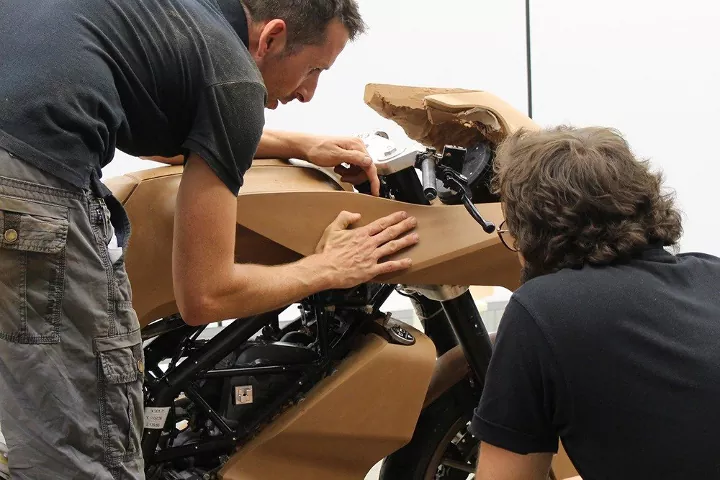
Motorcycle development typically begins with sketches and digital surfaces. However, screens cannot fully communicate proportion, volume or visual balance. Full-scale clay models convert two-dimensional concepts into physical objects, allowing design teams to evaluate form under real lighting conditions and from human viewing perspectives. This early validation helps identify design issues and reduces later development risk.
A Hybrid Design Workflow
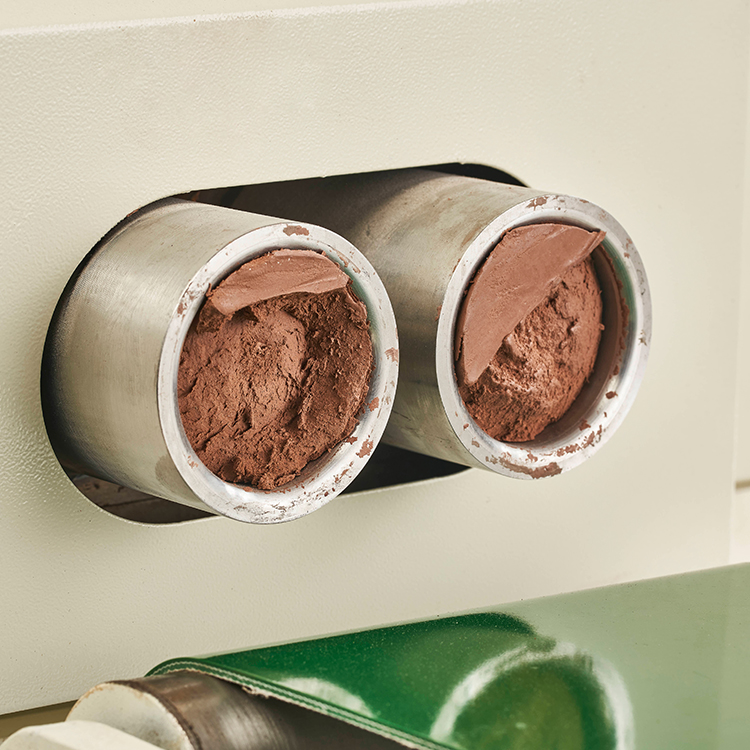
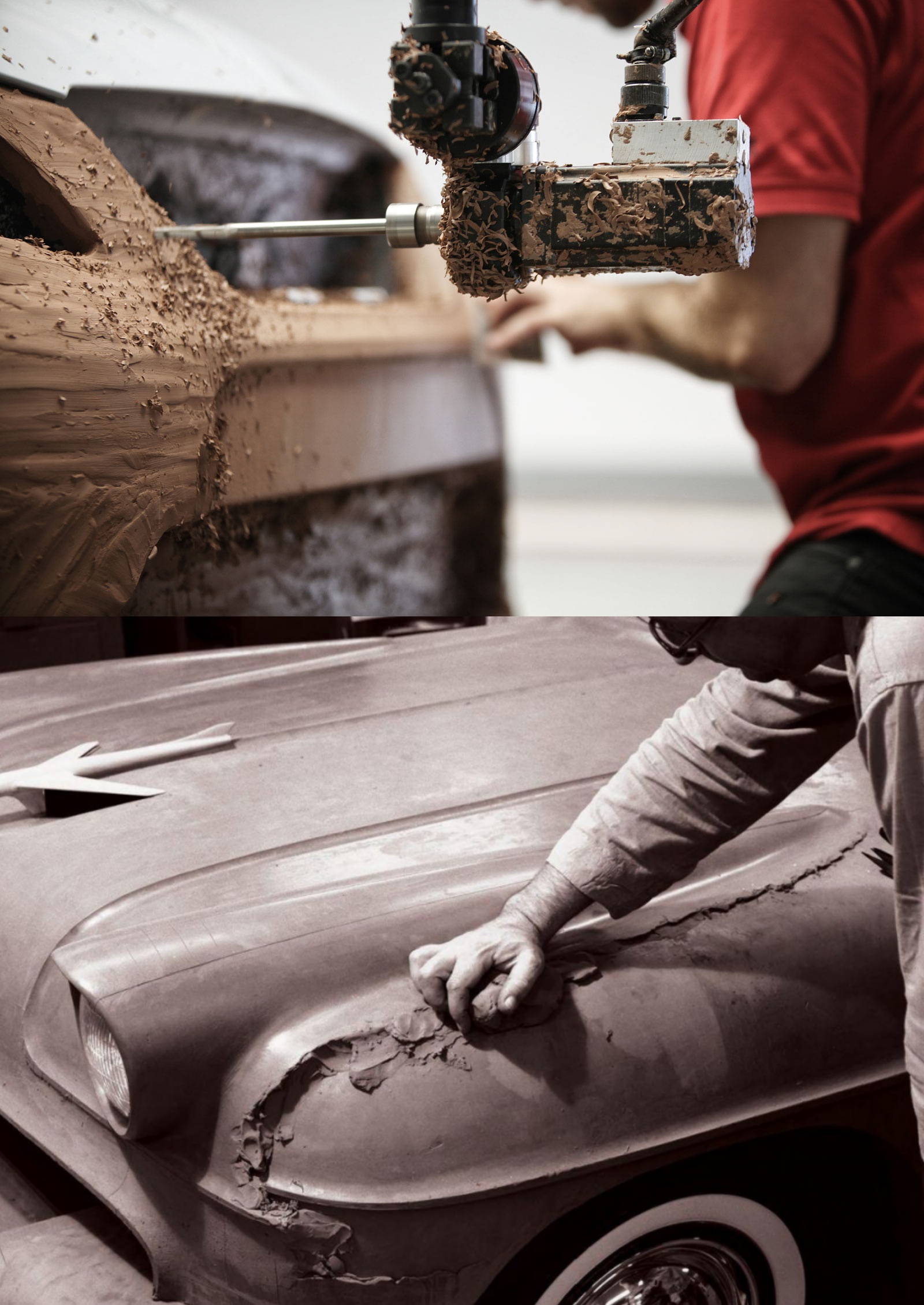
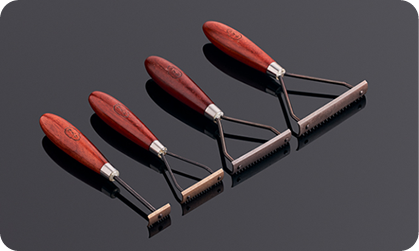
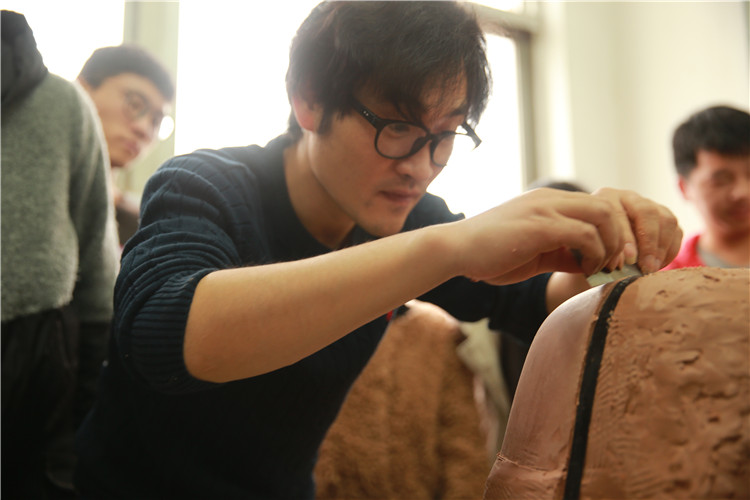
Contemporary clay modelling integrates digital precision with manual craftsmanship. CAD data defines geometry, laser projection transfers key lines, and CNC milling ensures dimensional accuracy. Yet final decisions still rely on manual refinement, where experienced modelers adjust surfaces through observation and tactile feedback.
Why Clay Remains Relevant
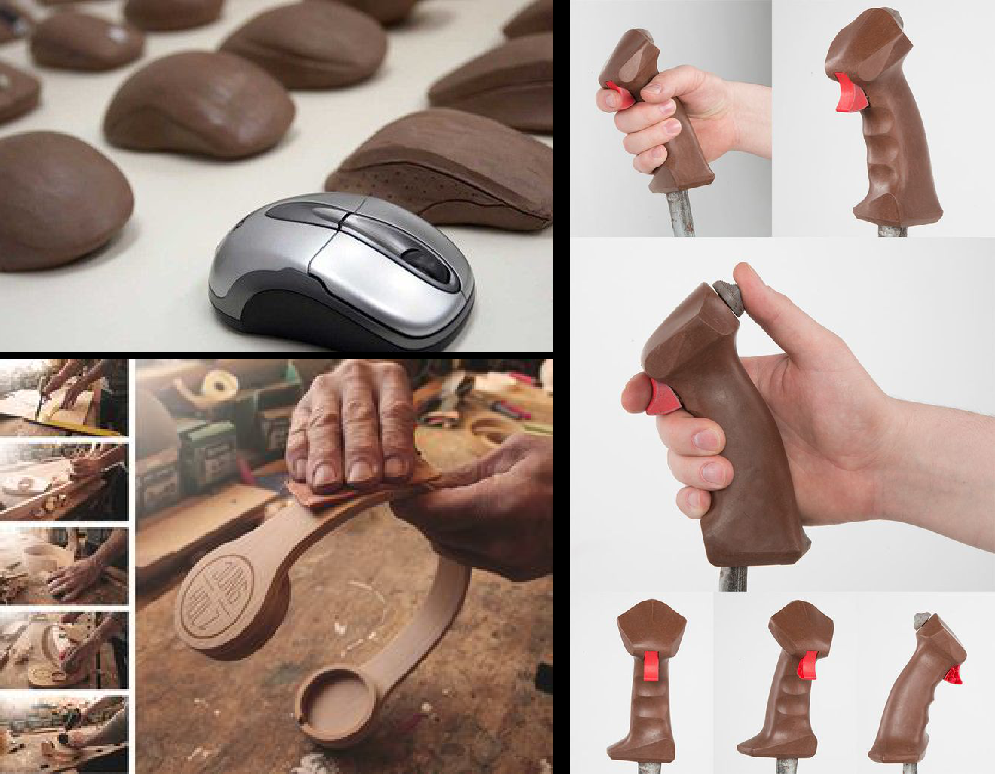
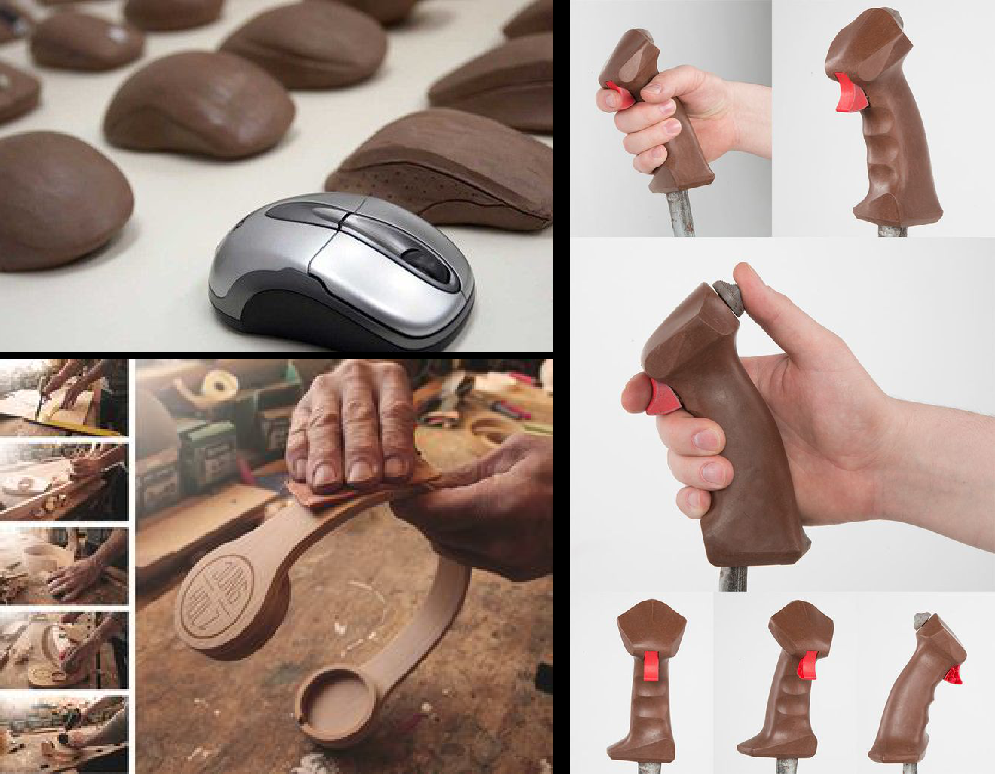
Unlike rigid prototypes, clay allows continuous modification. Designers can quickly reshape surfaces, test alternatives and refine character lines without restarting the development process. This flexibility supports an iterative design culture essential to motorcycle styling.
Design Beyond Digital
Ultimately, motorcycle identity emerges through physical evaluation. Subtle transitions between surfaces, edge quality and visual tension are often resolved only at full scale. Clay modelling has therefore evolved from a fabrication method into a critical decision-making platform.
As digital tools expand creative possibilities, clay continues to anchor design in physical reality — ensuring that motorcycles are not only engineered efficiently, but experienced emotionally.